

en

Philip Dick

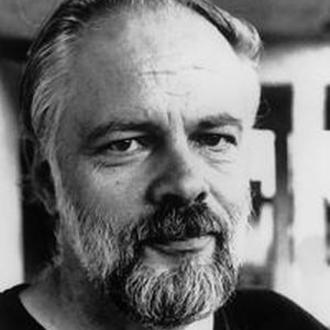
Philip Kindred Dick was an American writer notable for publishing works of science fiction. Dick explored philosophical, social, and political themes in novels with plots dominated by monopolistic corporations, authoritarian governments, alternate universes, and altered states of consciousness. His work reflected his personal interest in metaphysics and theology, and often drew upon his life experiences in addressing the nature of reality, identity, drug abuse, schizophrenia, and transcendental experiences.

Born in Illinois before moving to California, Dick began publishing science fiction stories in the 1950s, initially finding little commercial success. His 1962 alternate history novel The Man in the High Castle earned Dick early acclaim, including a Hugo Award for Best Novel.] He followed with science fiction novels such as Do Androids Dream of Electric Sheep? (1968) and Ubik (1969). His 1974 novel Flow My Tears, the Policeman Said won the John W. Campbell Memorial Award for best novel.Following a series of alleged religious experiences in February–March 1974, Dick's work engaged more explicitly with issues of theology, philosophy, and the nature of reality, as in such novels as A Scanner Darkly (1977) and VALIS (1981). A collection of his non-fiction writing on these themes was published posthumously as The Exegesis of Philip K. Dick (2011). He died in 1982 of a stroke, aged 53.

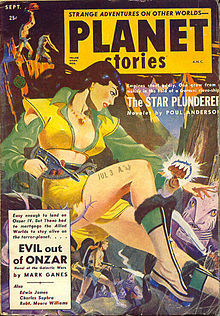
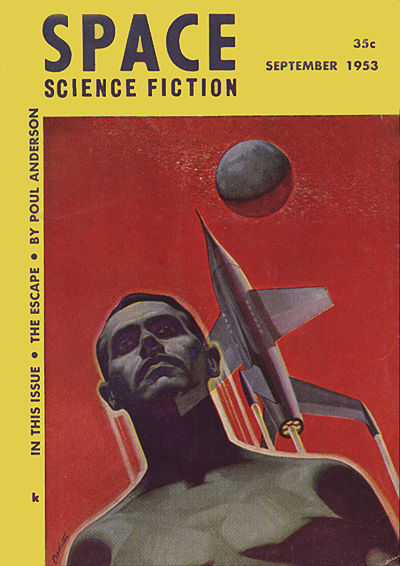
In addition to 44 published novels, Dick wrote approximately 121 short stories, most of which appeared in science fiction magazines during his lifetime.[5] A variety of popular films based on his works have been produced, including Blade Runner (1982), Total Recall (1990), Minority Report (2002), A Scanner Darkly (2006), Paycheck (2003), Next (2007), and The Adjustment Bureau (2011). In 2005, Time magazine named Ubik one of the hundred greatest English-language novels published since 1923.[6] In 2007, Dick became the first science fiction writer to be included in The Library of America series.
Lebensjahre: 16 Dezember 1928 2 März 1982

Bücher

Zitate

Pablohat Zitat gemachtvor 8 Monaten
The body of work that established Dick’s reputation—his forty-odd realist and surrealist novels written between 1952 and his death in 1982—concerns itself with questions like “What is it to be human?” and “What is the nature of the universe?” These metaphysical, ethical, and ontological themes enmesh his work, even from its very beginnings in domestic melodrama, science fiction adventure, and humor, in an atmosphere of philosophical inquiry.
Pablohat Zitat gemachtvor 8 Monaten
So, what happened to Philip K. Dick in 1974? Among the mysterious events he chews over in these pages, the first, dark precursor to his visions was a break-in at his home in San Rafael, California, in November 1971 when someone blew up the file cabinet in his office. Candidates range from drug dealers to Black Panthers to various clandestine authorities, a few of which undoubtedly had Dick on their watch lists. Dick never settled on a single explanation for the break-in, but his fascinated, terrified rehearsals of this event set the stage for the deductive explosion to follow. It was then that Philip K. Dick’s life began to resemble, as many have observed, a Philip K. Dick novel.
Pablohat Zitat gemachtvor 8 Monaten
The writing in these pages represents, perhaps above all, a laboratory of interpretation in the most absolute and open-ended sense of the word. When Dick began to write and publish novels based on the visionary material unearthed in the Exegesis, he commenced interpreting those as well. So, as these writings accumulated, they also became self-referential: the Exegesis is a study of, among other things, itself.
fb2epub
Ziehen Sie Ihre Dateien herüber (nicht mehr als fünf auf einmal)